Gabi Ngcobo
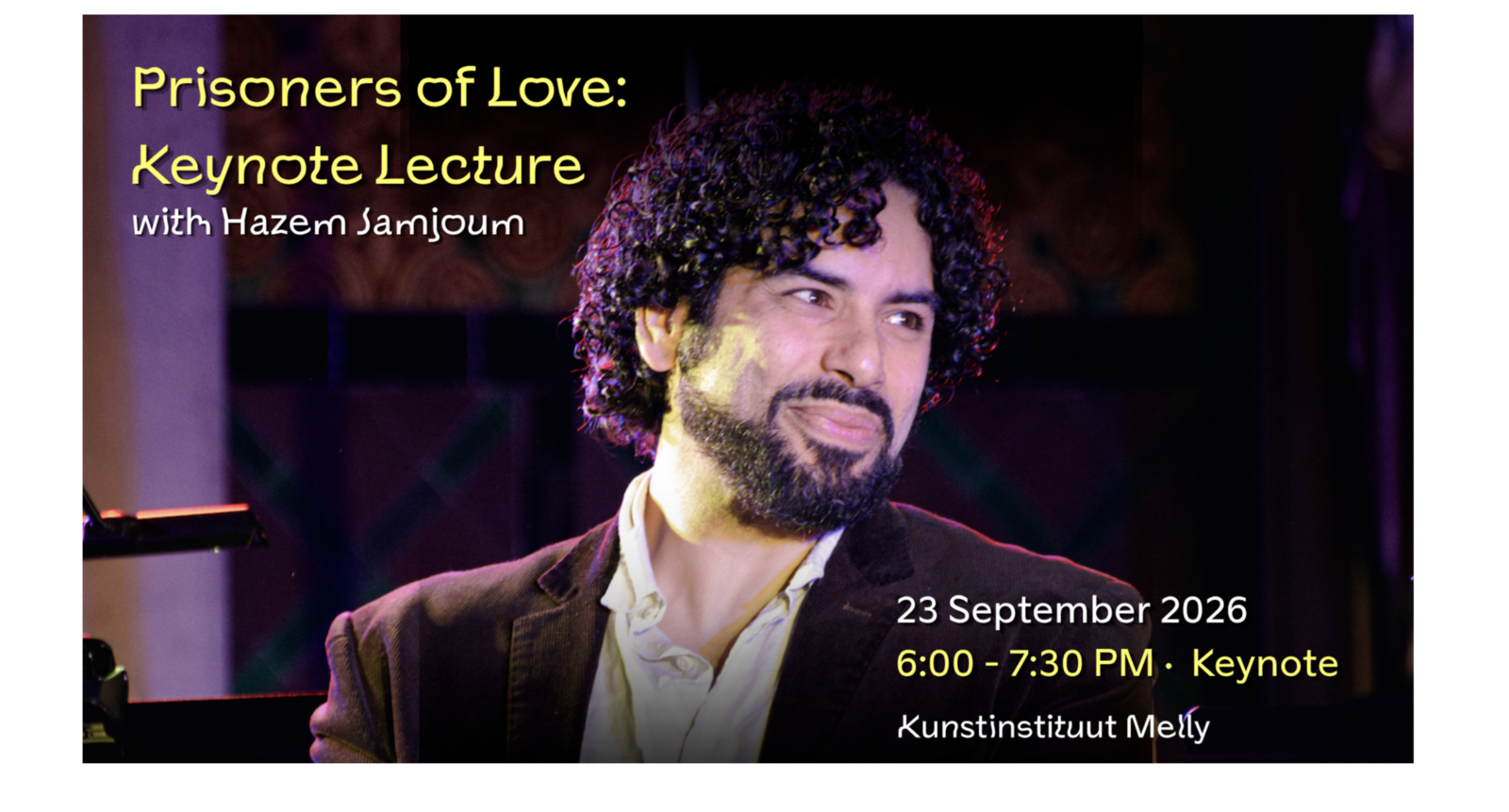
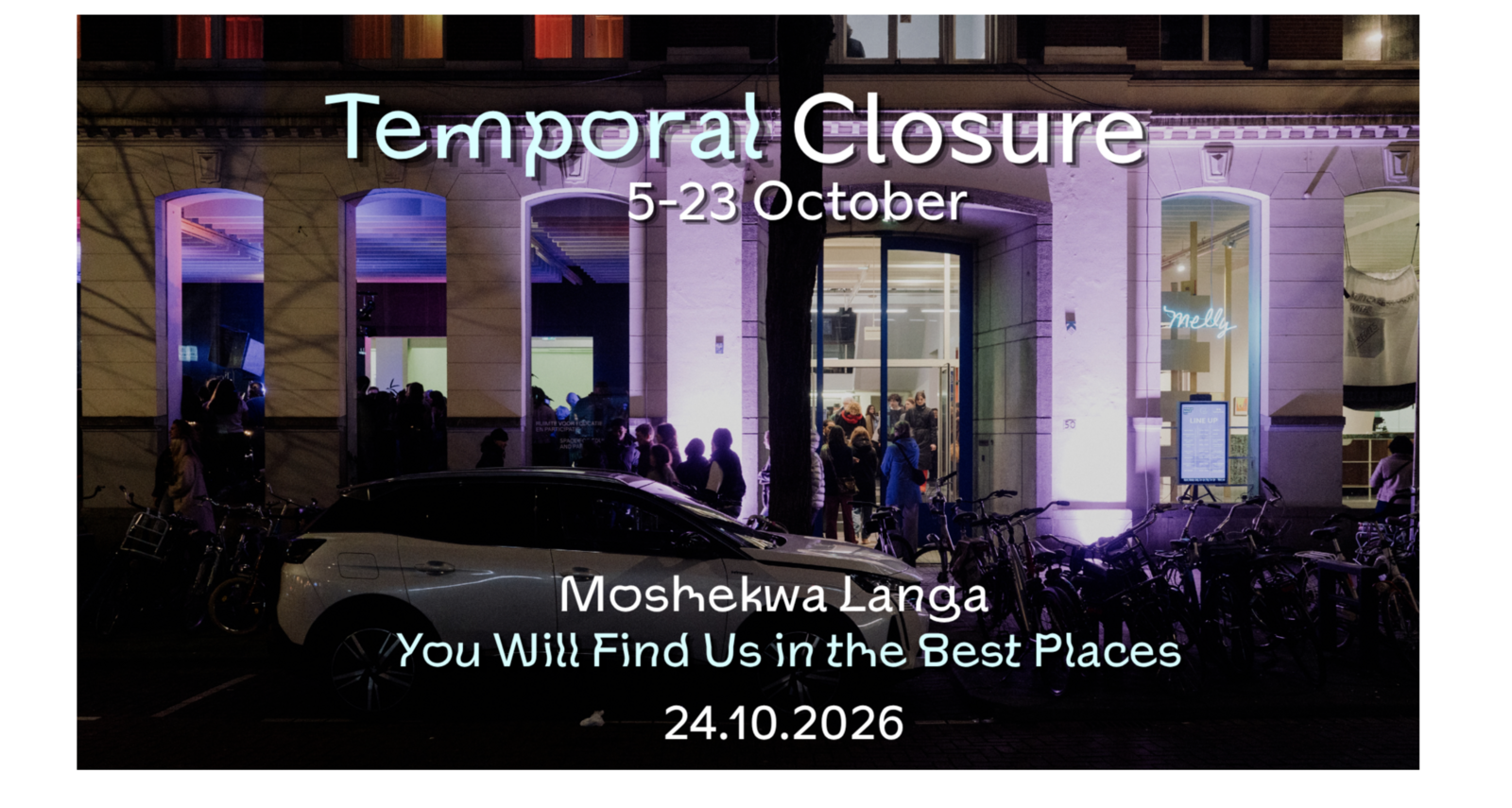
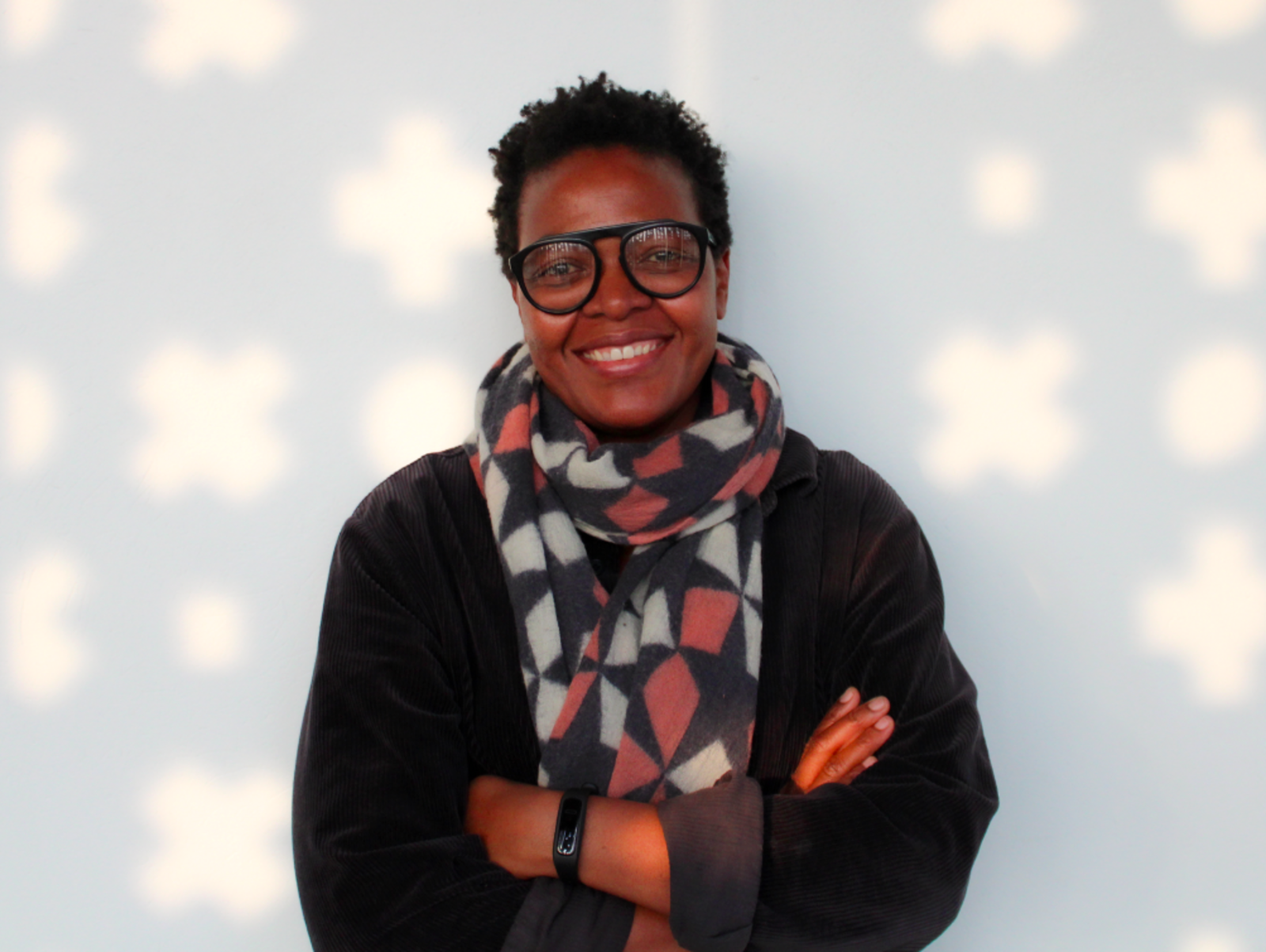
Gabi Ngcobo is a curator, educator, and cultural practitioner whose work has shaped some of the most significant conversations in contemporary art over the past two decades. In January 2024, she joined Kunstinstituut Melly in Rotterdam as its director. At Melly, she continues to foster critical dialogue, collective learning, and new forms of artistic collaboration.
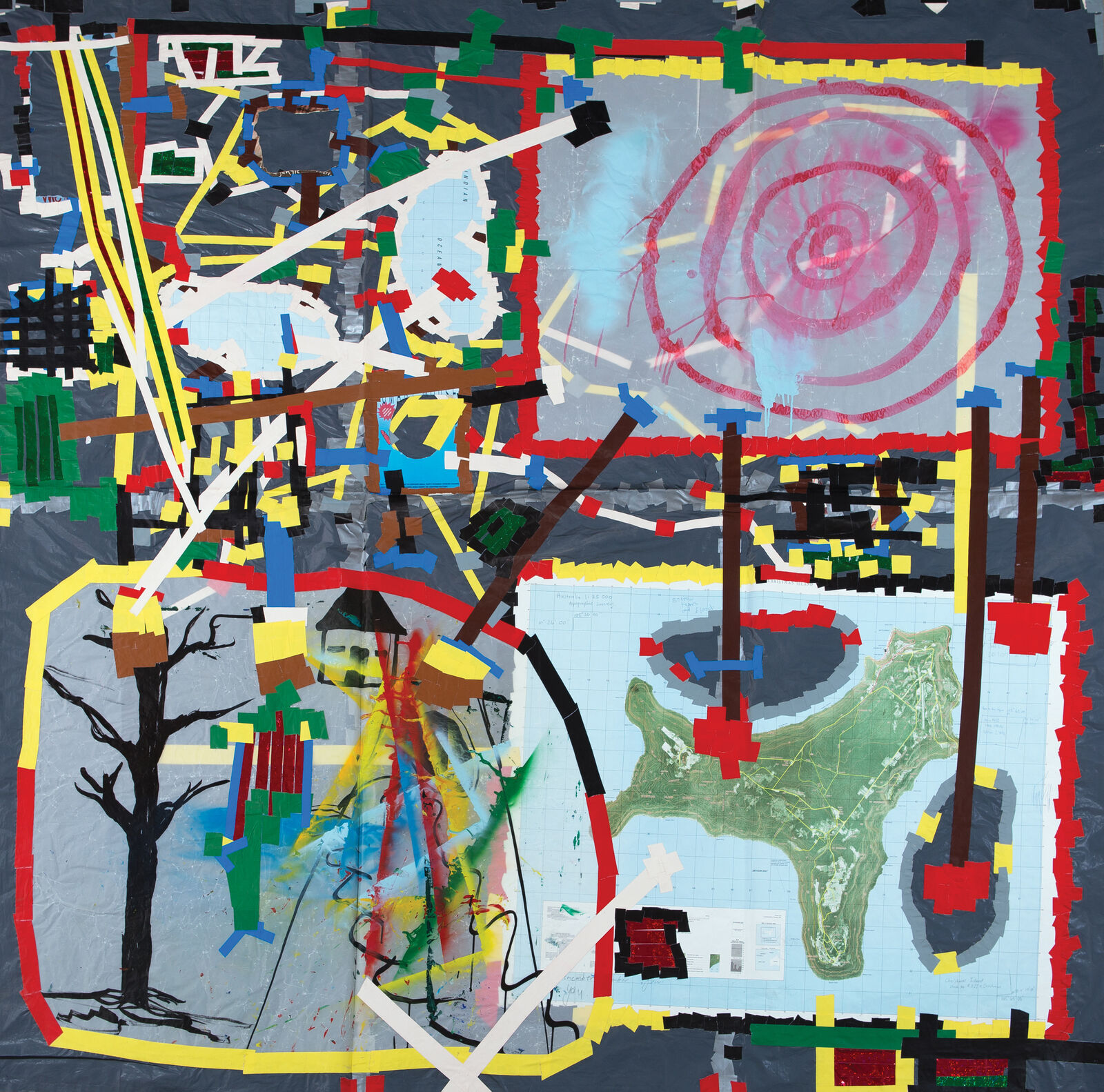
Before joining Melly, Gabi was Curatorial Director at the Javett Art Centre at the University of Pretoria (Javett-UP), where she played a key role in reimagining the institution as a “living academy.” Through exhibitions such as Handle with Care (2021) and Scenorama (2022), she activated collection-based research, collective learning, and transnational exchange. Her initiatives included bringing Oscar Murillo’s Frequencies project to South Africa and developing learning platforms that connected artists, students, and audiences through sustained engagement with works from local and international collections.
Alongside her institutional work, Gabi has developed numerous independent curatorial projects and collaborations across Africa, Europe, and beyond. As a member of the Hartwig Art Foundation commissioning committee (2021–2025), she contributed to the development of new commissions by Nolan Oswald Dennis, Luana Vitra, and Jabu Arnell. Other projects include The Show is Over at South London Gallery (2022) and The ‘t’ is Silent, co-curated for the Painting Biennale at Museum Dhondt-Dhaenens in Belgium (2022).
Gabi is widely recognised for her commitment to collaborative and experimental curatorial practices. She curated the 10th Berlin Biennale, We Don’t Need Another Hero (2018), and was a co-curator of the 32nd São Paulo Bienal, Incerteza Viva(2016), two landmark exhibitions that challenged dominant narratives and expanded the possibilities of artistic and political imagination. She also lectured for seven years at the Wits School of Arts in Johannesburg and is a founding member of the collaborative platforms NGO – Nothing Gets Organised (2016–) and the Center for Historical Reenactments (2010–2014).
Across institutions, exhibitions, and collective initiatives, Gabi’s practice is driven by a sustained interest in how art can create spaces for critical inquiry, shared learning, and new ways of being together.