CLiP #8: What the Body Refuses to Give
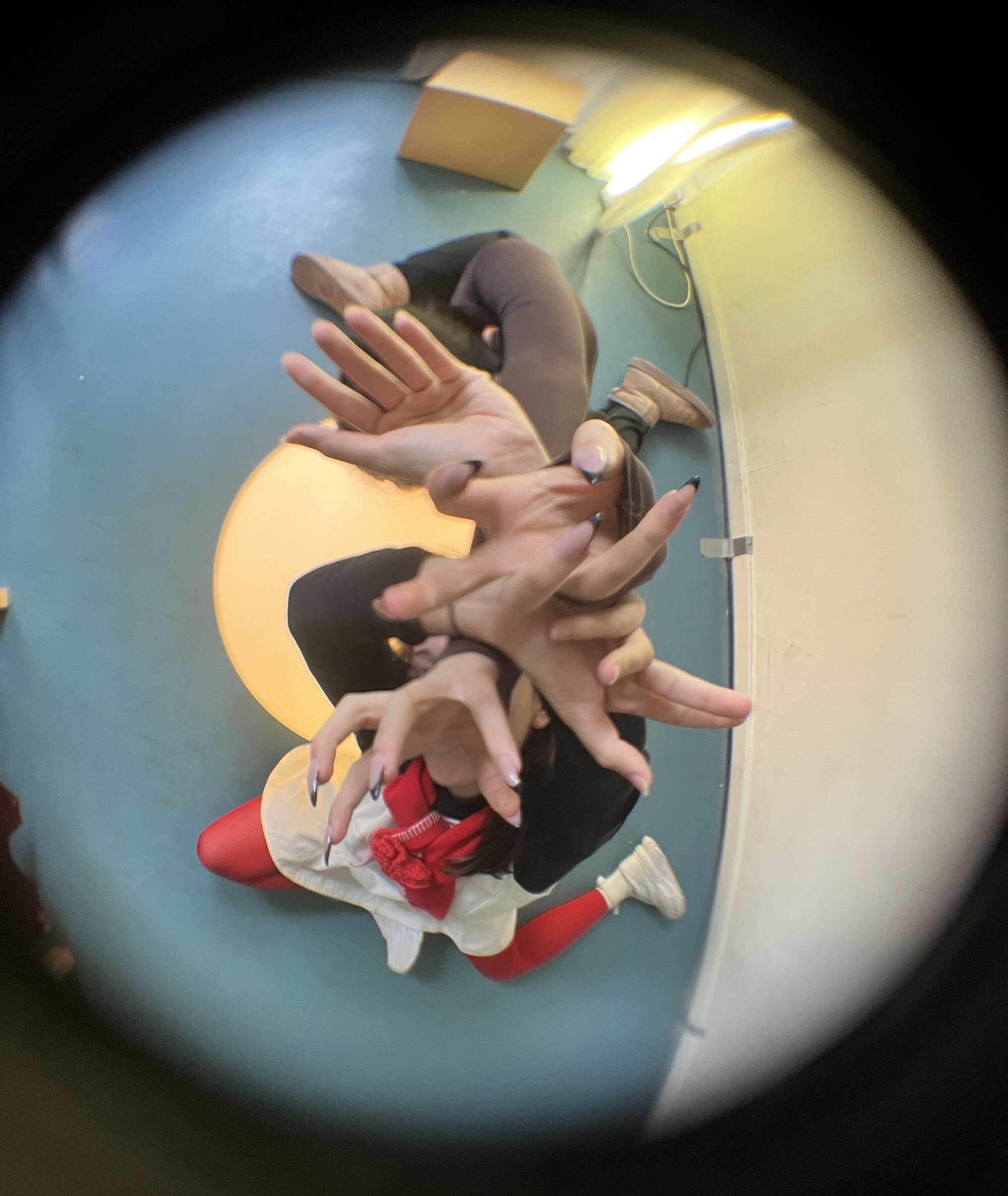
Collective Learning in Practice (CLiP) is the successor to Kunstinstituut Melly’s successful Work-Learn Project (2018) and has run seven editions to date. CLiP gives participants the opportunity to study contemporary art issues and work with our team to make the institution more publicly accessible. Each edition supports 10–14 young participants with the tools, skills, and inspiration to grow as individuals, decision-makers, and professionals through a six-month study period.
CLIP #8: What the Body Refuses to Give
Meet our new CLiPpers!
Following the Open Call for CLiP#8: What the Body Refuses to Give, we welcome a new group of Rotterdam-based young people. Over six months, they’ll explore collective (un)learning across AI systems, embodied knowledge, glitches, and the limits of legibility, through readings, choreographic prompting, body mapping, and hybrid practices.
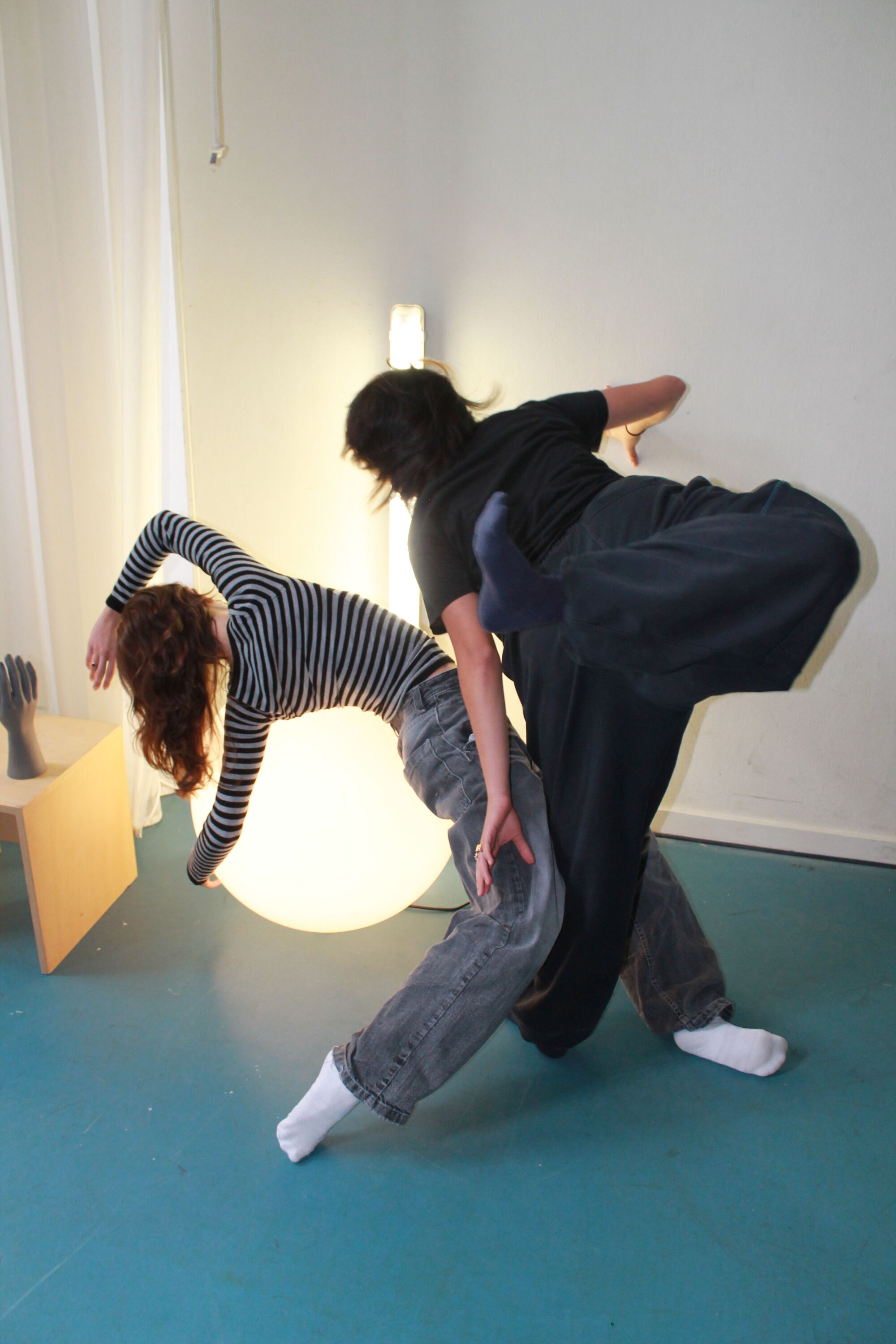
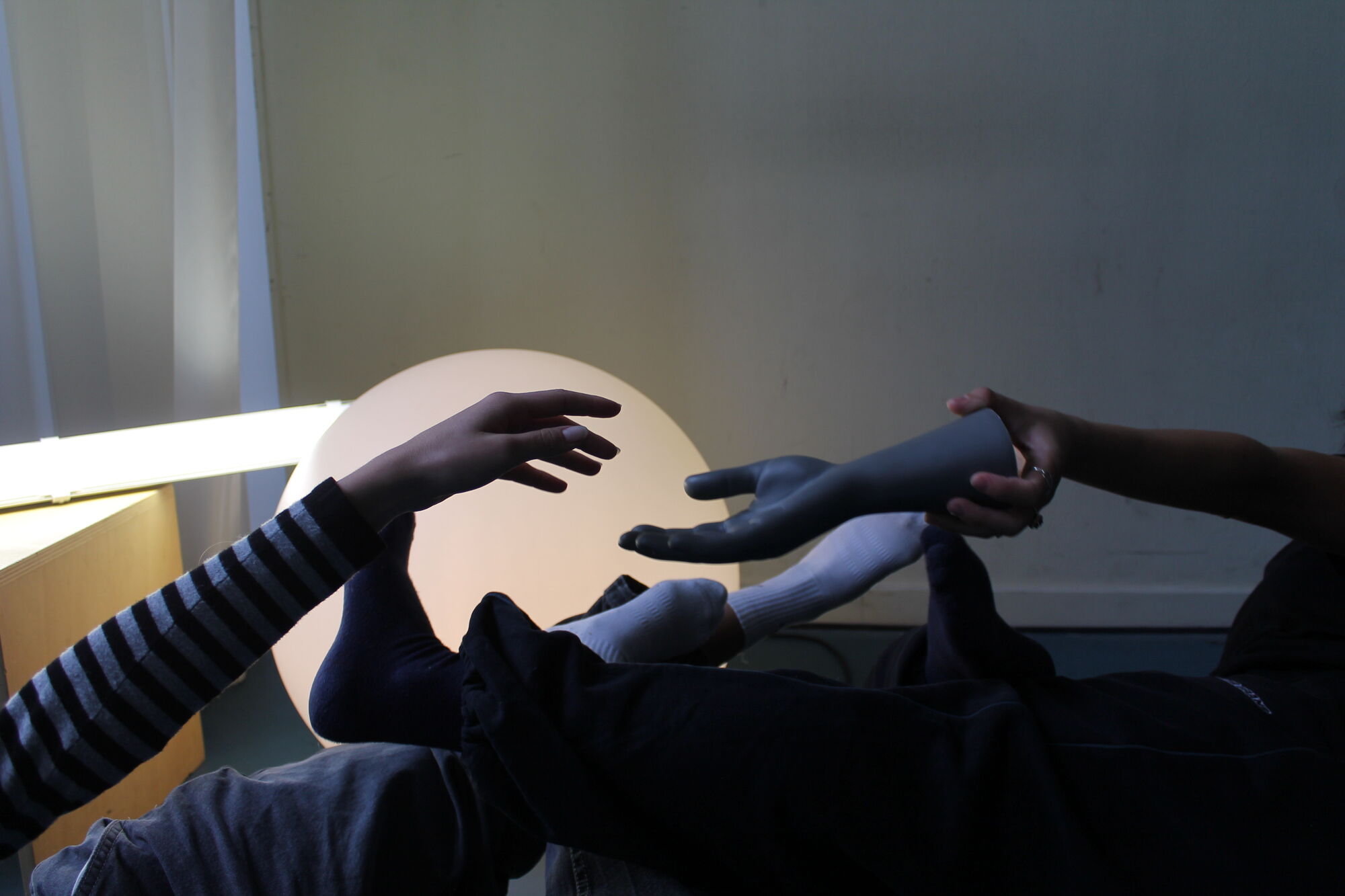
Here, they all respond to the following question: What does it mean to have a body that is affected by technology? Each of them gives us an insight into their inner world, questions, and multidisciplinary background/communities for thinking and creating together.
The program will be divided into three main sections: reading, misreading, and rewriting, where they will (un)learn together how technology affects us in multiple dimensions: as a body, as a mind, and as social beings.
Over the next months we´ll create, question and discuss together multiple perspectives on the implications of having a body affected by technological systems and AI. Also, we will have the opportunity of sharing knowledge with researchers, artists, and great minds working on these urgent matters from different approaches. We will develop new questions, methods, improvisation, and ethical approaches to these urges within our own context.
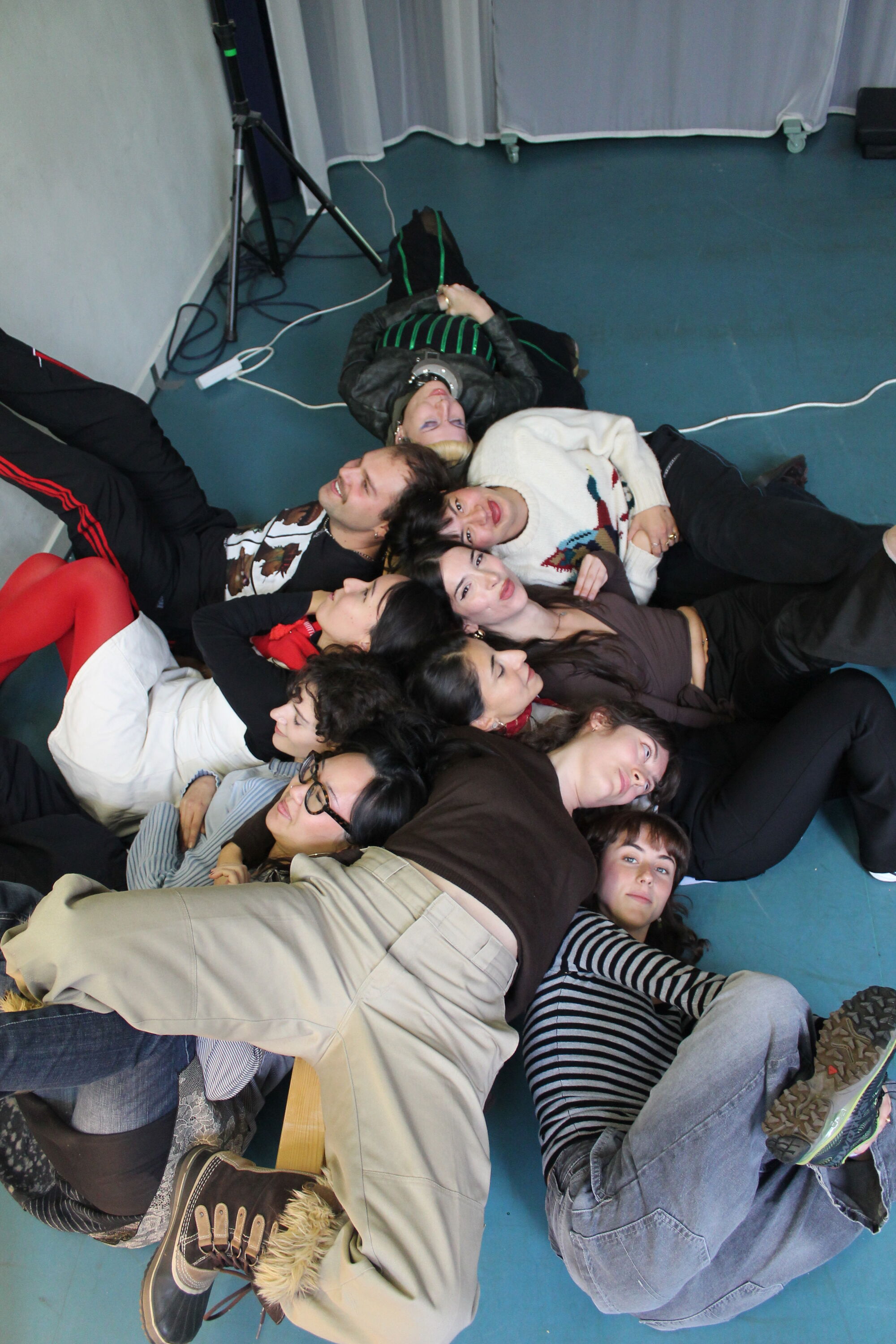
CLiP #8 is formed by these promising young makers : Erida, Alexandra, Ermis, Jassey, Kayla, Lucía, Dora, Matilde, Mariana, and Evîn.
CLIP #8 is curated and facilitated by Fernanda Olivares and Janey de Jong.