Participants
Series

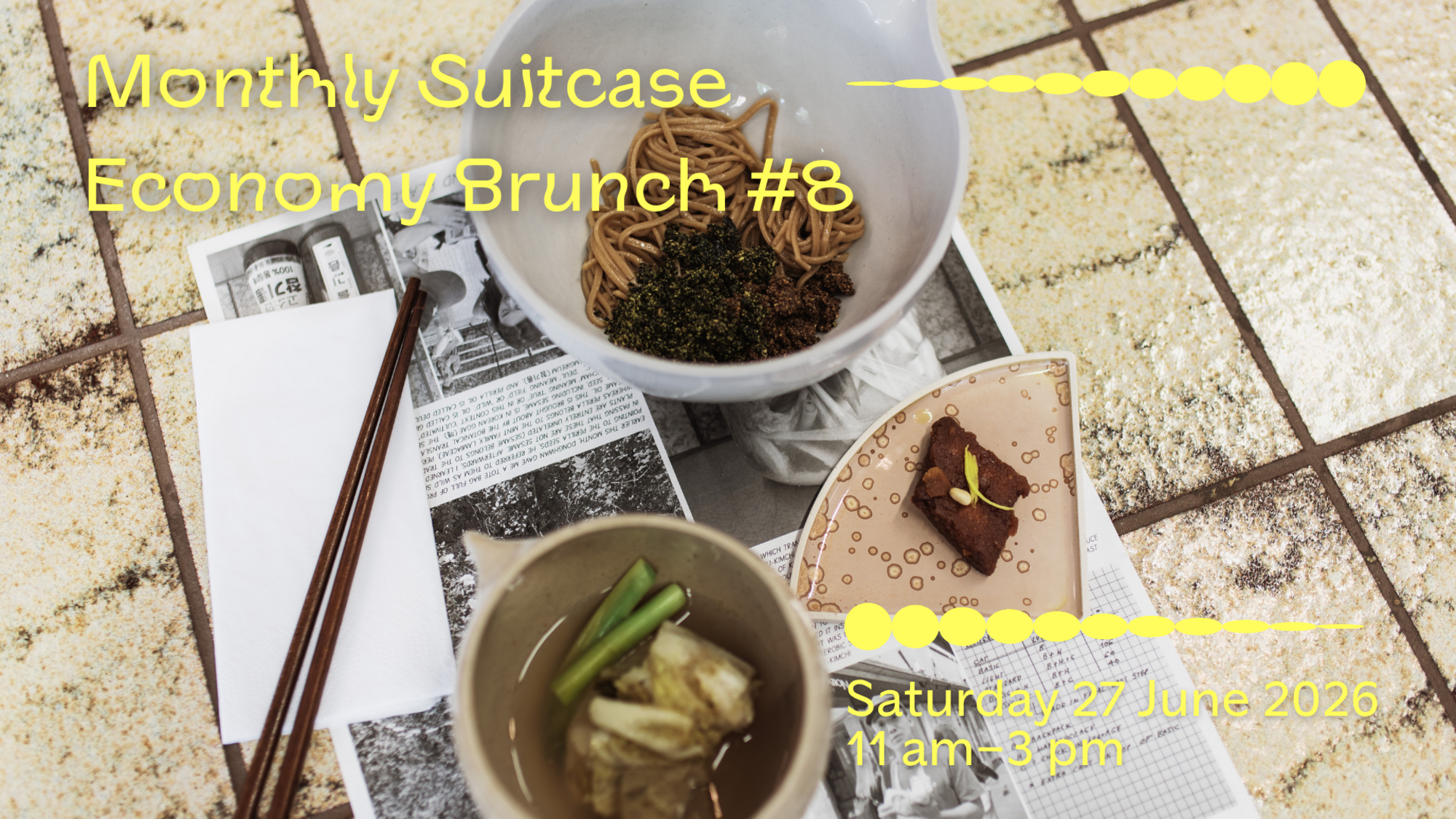
Monthly Suitcase Economy Brunch is a testing ground for experimenting with relationships, translation, economic models, transformation, and time through the preparation and serving of food. In this series, artist Riet Wijnen is developing a method to build connections among different local daily contexts, past and present, by researching local histories of preservation and fermentation.
These centuries-old methods for extending the lifespan of agricultural products through transformation are evident in the practices of various cultures. As people moved around, these preservation and fermentation methods spread and evolved. For example, sauerkraut is based on the Chinese tradition of preserving cabbage in rice wine. These methods were developed when people were largely self-sufficient, relying on informal barter economies to provide themselves with food year-round.
Each brunch involves a process of fermentation or preservation, and an ingredient transported from one place to another via suitcase.* The menu predominantly features food from Limburg, a province in the south of the Netherlands where the artist was raised, South Korea, and South Africa. The specific regions in these two countries will be determined by collaborators of the Monthly Suitcase Economy Brunch series.
For Monthly Suitcase Economy Brunch #8, Lesedi Mogoathle proposed a meal, which Riet prepared. The meal is centered around ting ya mabele, in SeTswana, ting refers to ‘fermented, sour mixture or porridge’, ya means ‘of’, and mabele ‘sorghum’. This is served with tshotlo, slow-cooked shredded beef, steamed lephutshi, pumpkin, and khabeche, cabbage.
The process of fermenting ting, which takes around three days, enhances the nutrient by increasing amino acids, the organic compounds that serve as the fundamental building blocks of protein and vital vitamins. Whilst at the same time it reduces anti-nutrients, fermentation activates enzymes and uses microbial degradation to neutralize compounds like phytic acid and tannins, which bind to minerals and reduce their availability.
Tshotlo, which is rooted in SeTswana, is traditionally prepared during big moments such as weddings, funerals, and Heritage Day. The latter takes place on 24 September. This day was originally known as Shaka Day by most people in KwaZulu-Natal nowadays, as it was the presumed date of Shaka’s death in 1828, the Zulu King of Southern Africa, and became a day of commemoration.
The Public Holidays Bill presented to the post-Apartheid Parliament of South Africa in 1994 did not include it on the list of proposed public holidays. The Inkatha Freedom Party (IFP), a South African political party of which many people were Zulu, objected to the bill. Parliament and the African National Congress (ANC) reached a compromise by introducing Heritage Day. These days, Heritage Day is also referred to as National Braai Day.
10 euros, or 5 euros (drinks not included) if you bring either a homemade fermented or preserved product, the recipe for it, harvested produce from your own garden, or a specific ingredient for cultural dishes.
11:00-15:00, or until we run out
Suitcase Economy / Ground Floor, Kunstinstituut Melly, Witte de Withstraat 50, Rotterdam
*Monthly Suitcase Economy Brunch #8 is made with mabele brought from Johannesburg by Lesedi Mogoathle.
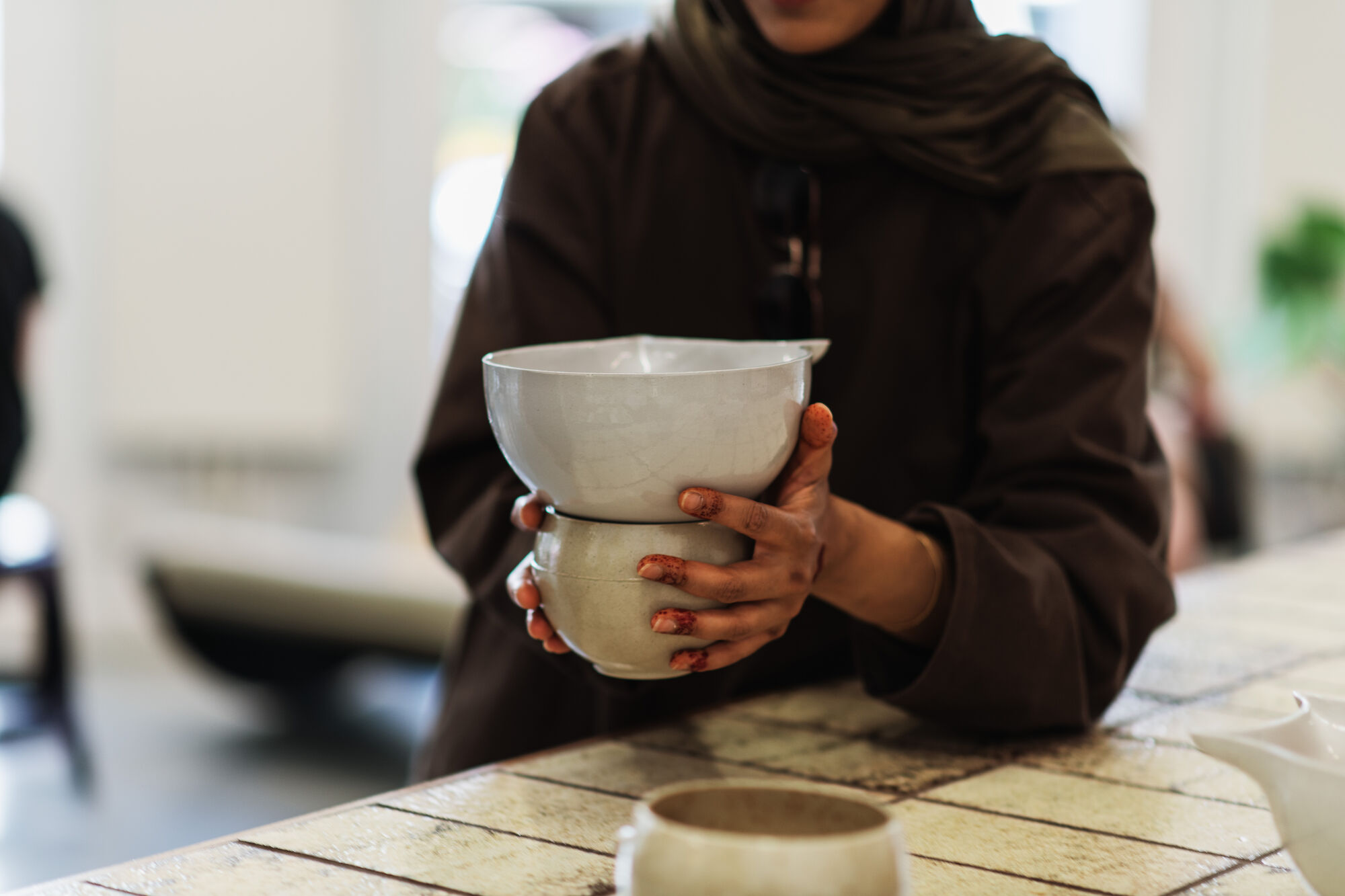
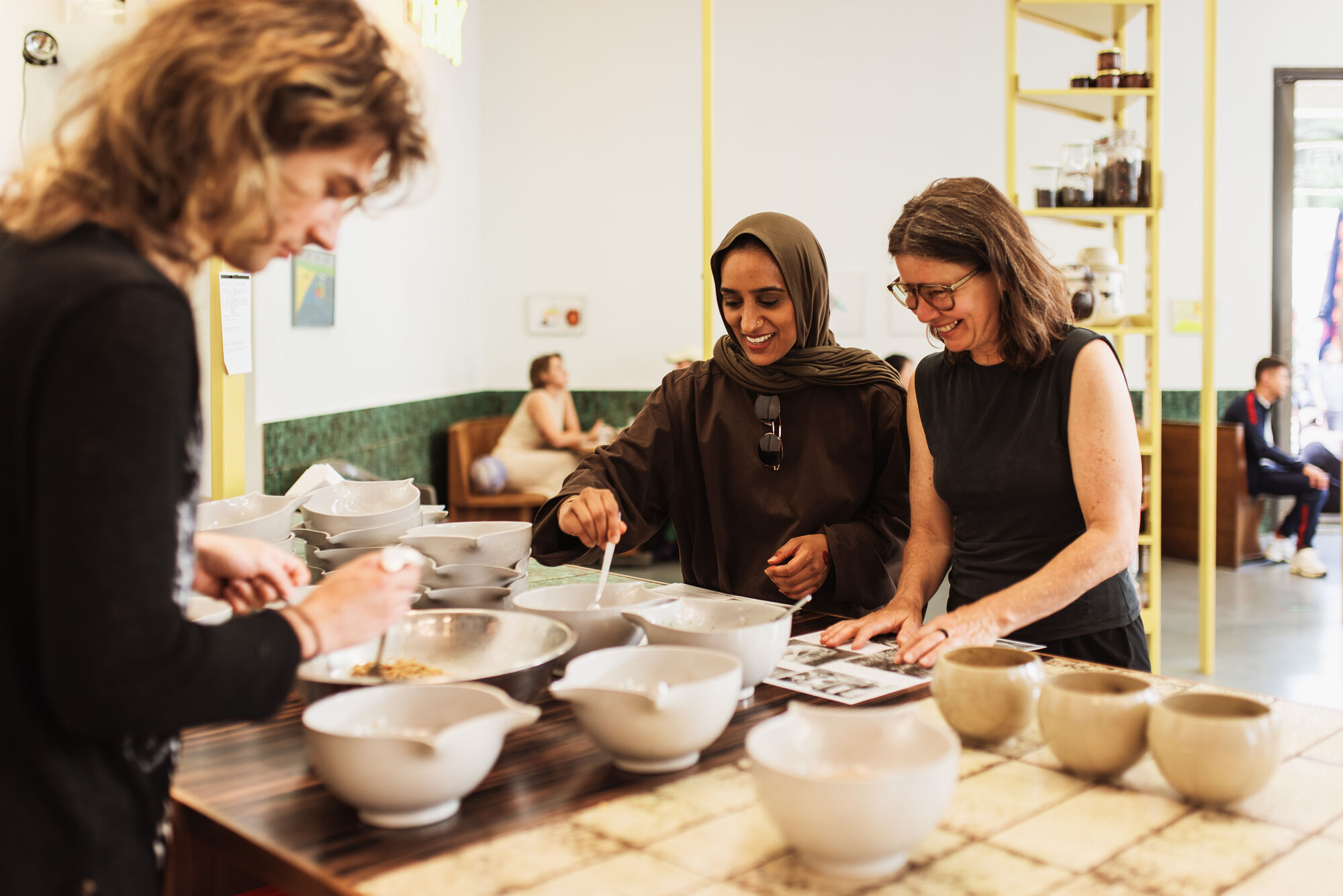
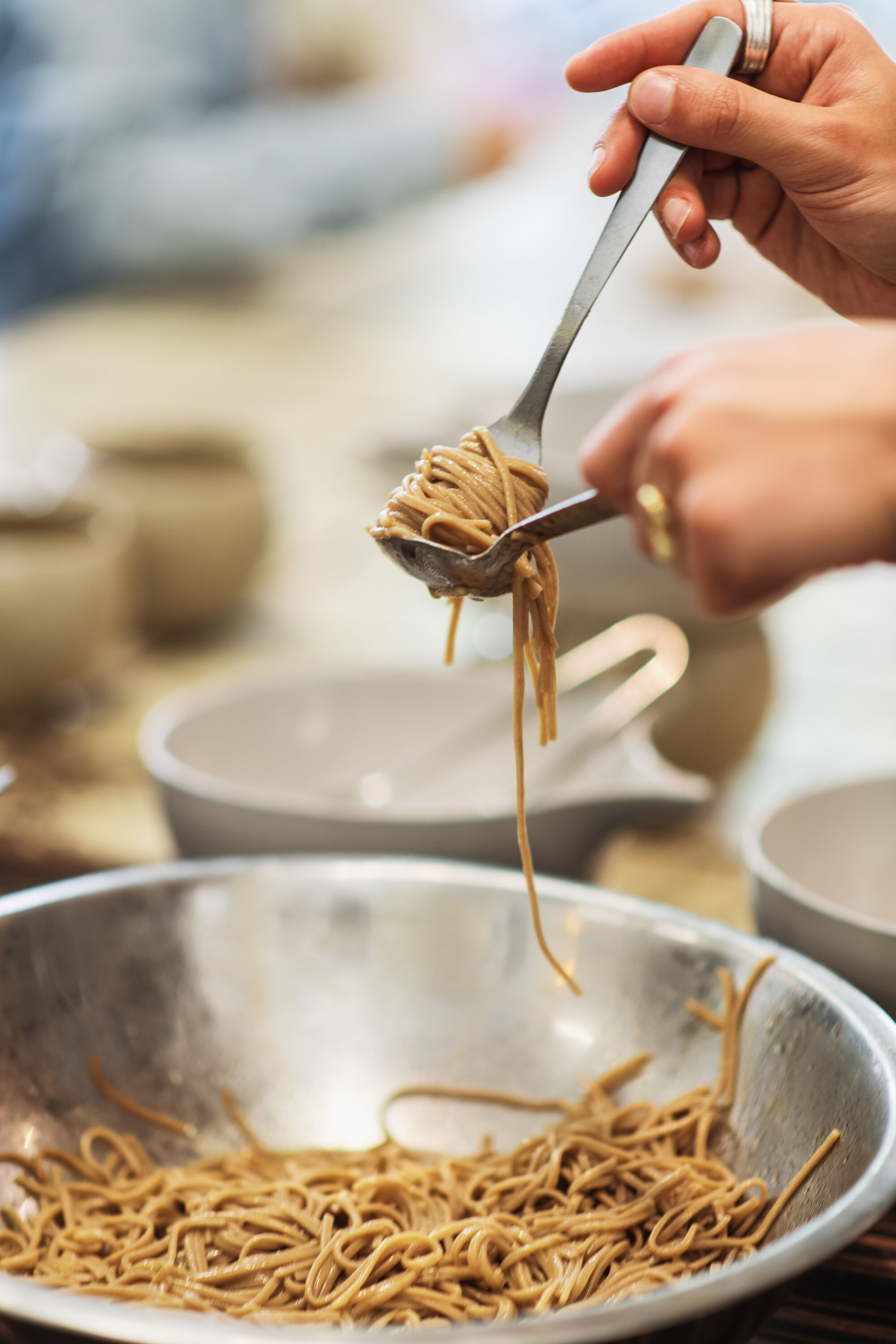
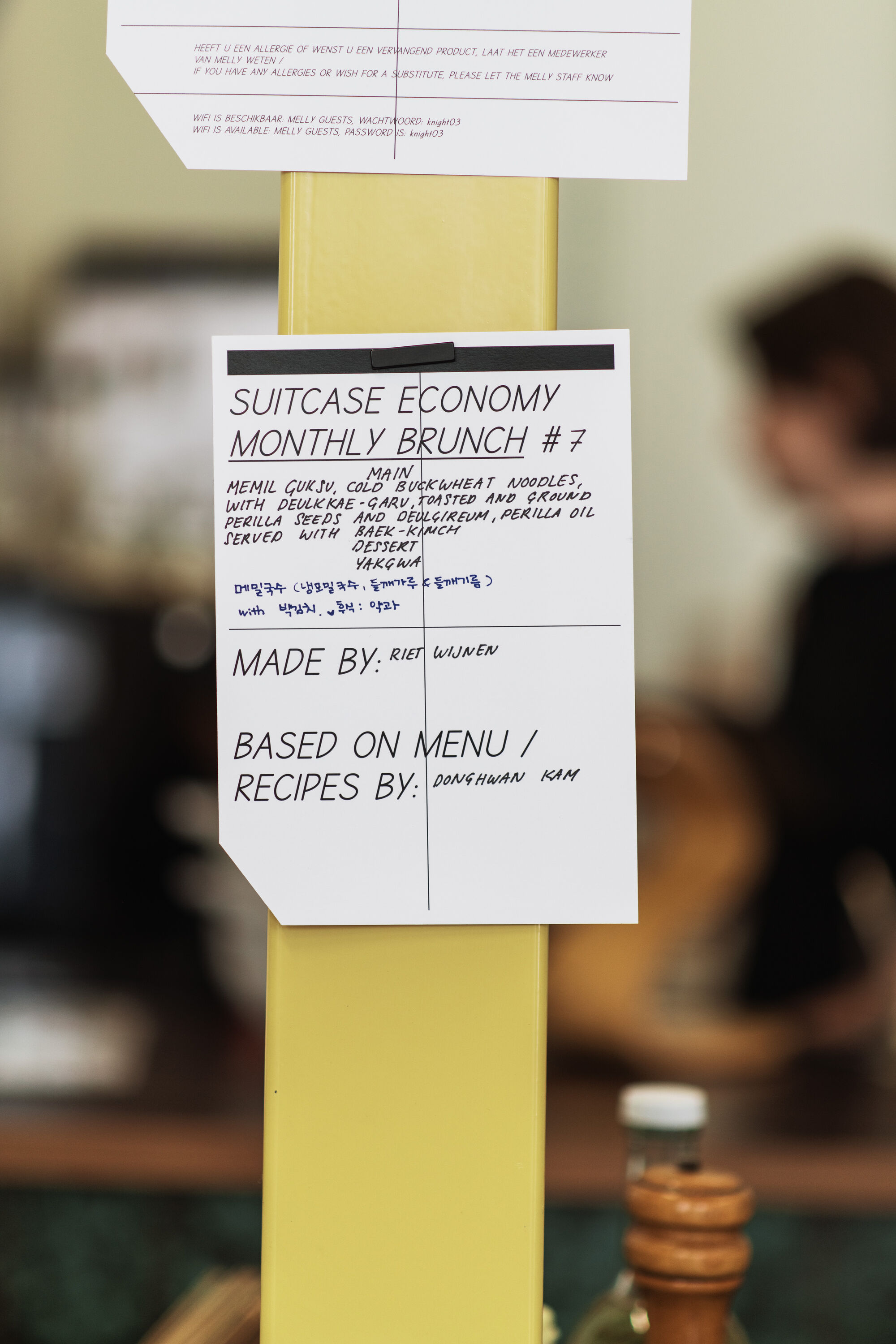
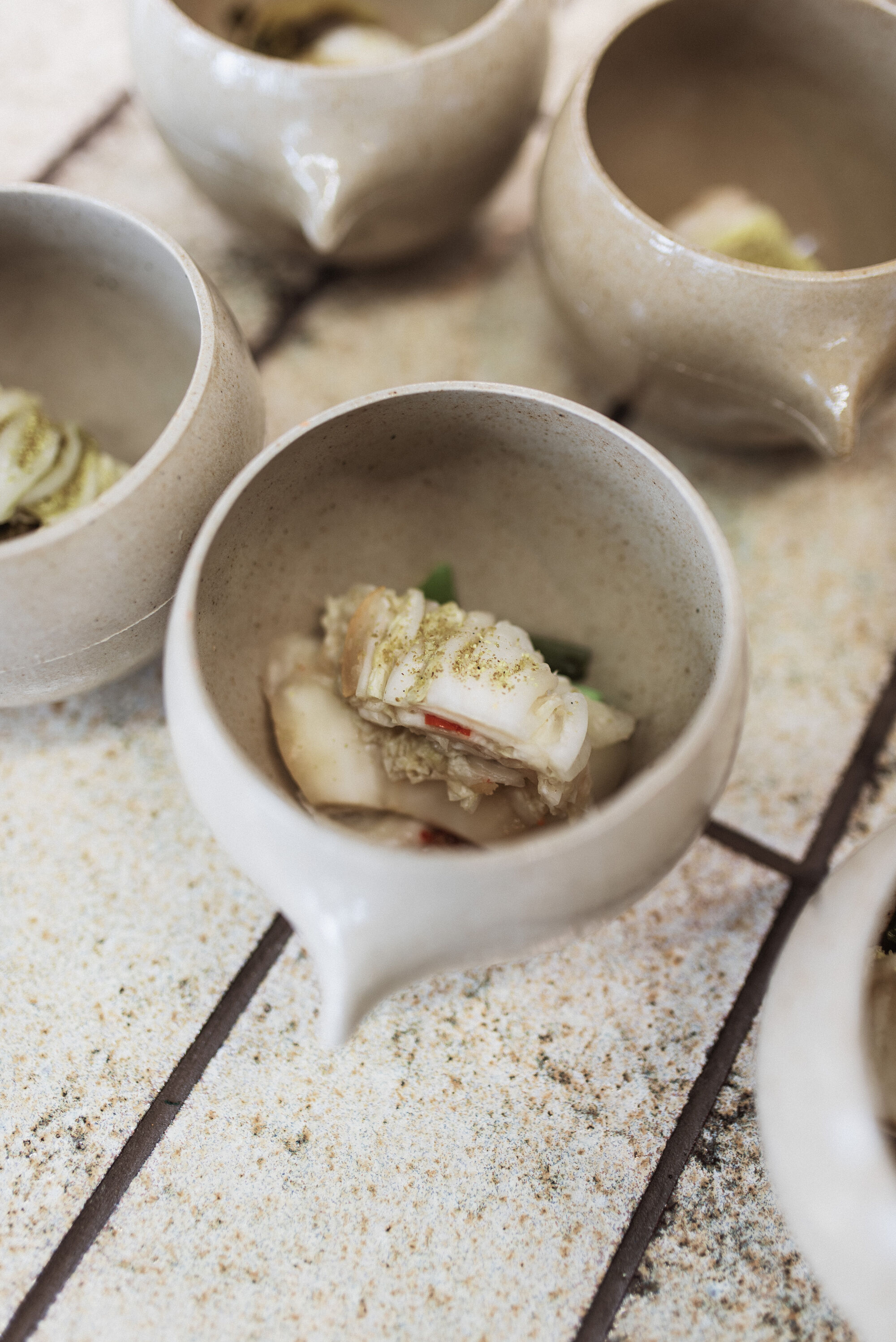
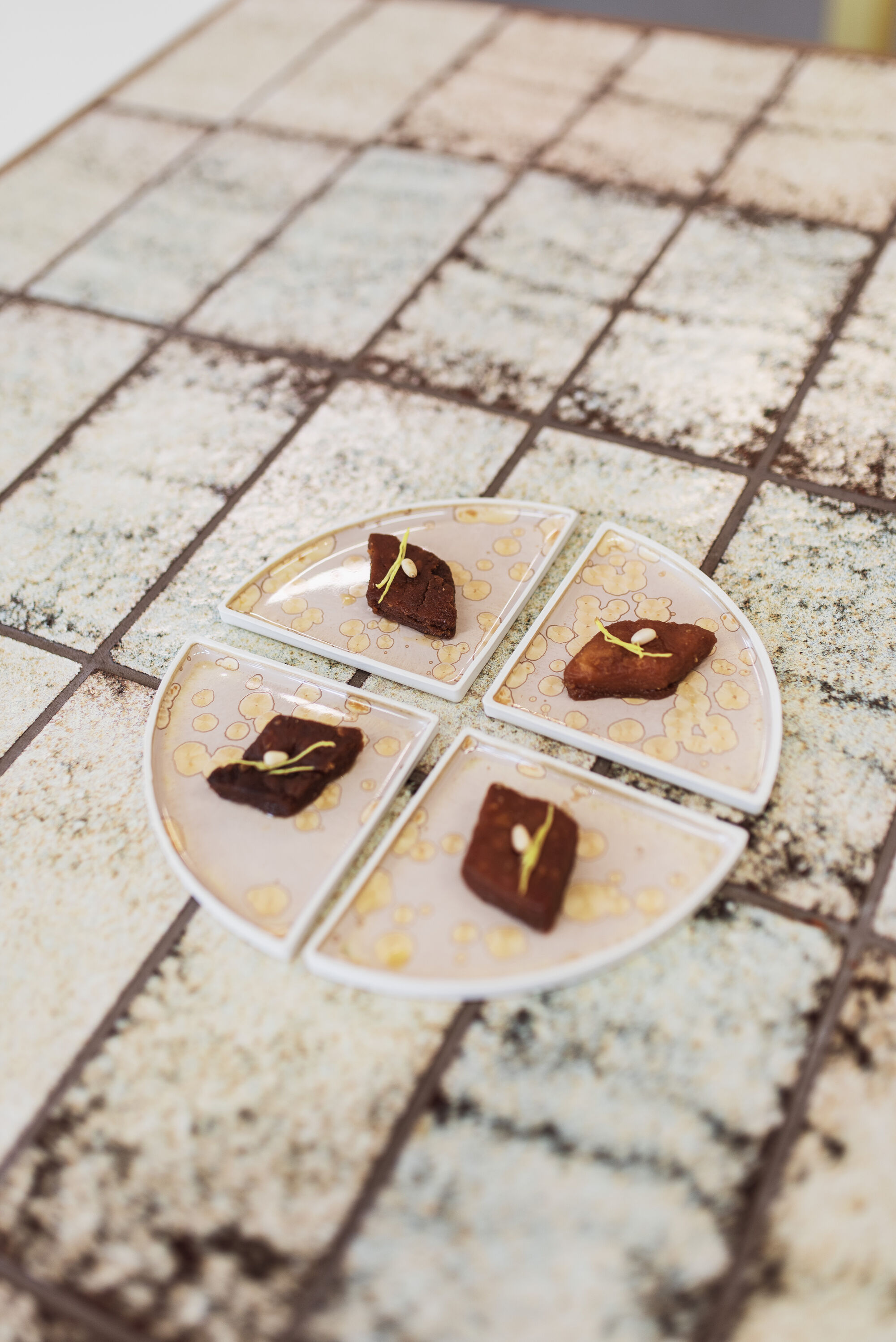
Images from Monthly Suitcase Economy Brunch #7. For this edition, Donghwan Kam proposed a meal prepared by Riet Wijnen, featuring memil guksu (메밀국수), cold buckwheat noodles with deulkkae-garu (들깨가루), toasted and ground perilla seeds, and deulgireum (들기름), perilla oil, served alongside baek-kimchi (백김치) prepared with elderflower brine and chopi (초피). Dessert consisted of either sikhye (식혜), a sweet rice punch, or yakgwa (약과), a honey pastry. Key ingredients included deulkkae and deulgireum brought from Seoul via Venice by Donghwan Kam, and 茶姬釀造醬油 soy sauce brought from Taipei by Emily Shin-Jie Lee.